

Trigeneration feasibility study: six calculations for different sites
In brief. At a tariff of RUB 10/kWh and gas at RUB 9/m³, the payback of five of the six models falls within 2.0–2.9 years, while a business center with a short load comes out at 6.8 years. This is a model calculation and a guide.
A trigeneration (CCHP) feasibility study answers one question: in how many years will the difference in investment be returned through lower spending on electricity, heat and cooling. We calculated six typical sites using one model. Five of them pay back in 2.0–2.9 years with an existing grid connection, and one, a business center with a short load, in 6.8 years.
All six calculations are models, a guide. They are not an offer and not a guarantee: the input data are typical, and the equipment prices are replaced by the price from a commercial proposal. The main savings in them come from generating your own electricity. Exactly how each line is calculated is described on the how to calculate payback page.
What do the six calculations show?
We compare two worlds. In the first, the site buys electricity from the grid and has electric chillers and a boiler house. In the second, a gas engine generator set is installed, its heat goes to a lithium bromide absorption chiller to make cooling, and in winter it heats the building instead of the boiler. The missing part of the cooling is made up by a chiller powered by the same gas engine.
The "grid to be connected" column includes the grid connection fee for the capacity that would have to be paid in the conventional scheme. If the grid is already in place, this item does not exist, and the payback is longer.
Where do the savings come from?
The main part comes not from cooling but from your own electricity. A kilowatt-hour from your own gas engine costs RUB 3.72 in the model versus RUB 10 from the grid. This difference is multiplied by tens of millions of kilowatt-hours a year, and it provides the main savings.
Cooling in this scheme solves a different problem. It gives the engine heat a use in the warm season, when no heating is needed, and takes load off the electric chillers. Without an absorption chiller, the gas engine heat would have to be dumped into the air by radiators in summer, while the engine burns gas anyway. More on how trigeneration differs from cogeneration on the cogeneration page.
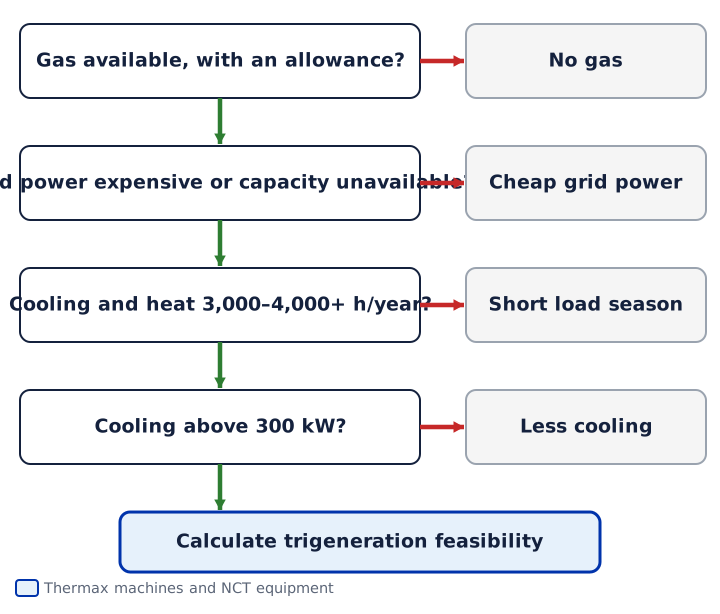
So trigeneration wins where both electricity and cooling are needed at once, and the load holds for most of the year. The scheme shows four questions that check this even before a calculation.
Does trigeneration suit the site
We ask four questions before any feasibility study: is there gas and a gas allocation, is electricity expensive or can the grid not provide the capacity, are cooling and heat needed for 3,000–4,000 hours a year or more, and is the cooling load above 300 kW.
What assumptions are built into the calculations?
All six models use the same input prices and parameters. You can change them in the calculator.
| Assumption | Value | What it means |
|---|---|---|
| Grid tariff | RUB 10/kWh | including all components |
| Gas | RUB 9/m³ | natural gas |
| Water | RUB 50/m³ | cooling tower makeup water including wastewater discharge |
| Gas engine efficiency | 40 % electricity, 45 % heat | 85 % in total |
The rest:
- gas engine service RUB 1.3 per kilowatt-hour generated;
- investment benchmarks: RUB 78,000 per kW of electrical capacity, RUB 65,000 per kW of cooling (a plant with absorption chillers and cooling towers), RUB 30,000 per kW of cooling for the comparison chiller;
- hot water absorption chiller COP of 0.75; the boiler house remains in both options;
- grid connection fee RUB 47,000 per kW, where it is included.
The investment benchmarks are taken from the company's 2026 model. This is not a price list. For your site they are replaced by the price from a commercial proposal, and the payback changes with it.
What is not in the calculation?
It is better to name the drawbacks right away.
- The payback is simple: investment divided by annual savings, without a discount rate or tariff growth.
- Backup engines, substations, design and construction are not included as separate lines. Their cost has to be added in the commercial proposal.
- The model has no sale of surplus electricity to the grid: all output is consumed by the site.
- The loads are taken as steady. A real site has peaks and dips, so a real decision needs hourly profiles for a year.
What happens at real sites?
The real payback rarely matches the model. At the Teplichnoye greenhouse complex, two LT 12 C chillers of 400 kW each run on hot water from the gas engines and the boiler house, and the site has 10 JMS 624 and 4 JMC 320 gas engines in island mode. The site's payback is 5 years; these are site data, not a model figure. The breakdown is in the site profile and on the greenhouse complexes page.
We have about 15 trigeneration sites; this is one of them, and many others are collected in the industries section. We have collected separately the mistakes that turn a good calculation into a bad result: trigeneration mistakes.
What to do next?
If you need your site calculated, send the data through a feasibility study request or estimate the figures yourself in the calculator. We calculate the gas engine, the cooling circuit and the interface between them together with the equipment: Thermax absorption chillers, NCT cooling towers, chillers and dry coolers. Details on the chillers at abxm-thermax.ru.
Frequently asked questions
What is the payback period of an absorption chiller?
Published cases range from less than a year on waste steam to 5–10 years. A standalone direct-fired absorption chiller without on-site generation, compared with a modern chiller with free cooling, comes out at about 11 years, and with a grid connection fee at about 6.8 years: it gets no gain from your own electricity.
When is an absorption chiller more cost-effective than an electric chiller?
With a high or rising tariff, capacity charges, cheap gas or waste heat, and also with frequent grid outages. A high chiller COP does not mean lower costs. The limits beyond which the scheme needs to be rechecked: a tariff below RUB 5/kWh or gas more expensive than RUB 11/m³.
Sections
How to calculate trigeneration payback yourself: plain-language formulas, load hours, choosing the baseline chiller, typical…
Online trigeneration calculator: enter cooling, load hours, tariff and gas price to get annual savings and the payback period. A…
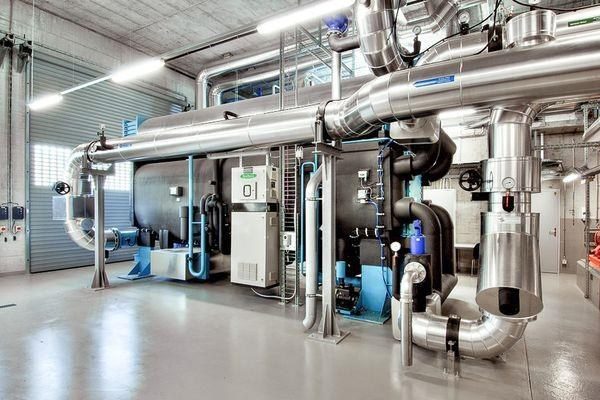
Model trigeneration calculation for a data center with 5 MW of cooling: RUB 260 million a year saved, 2.1-year payback with grid…
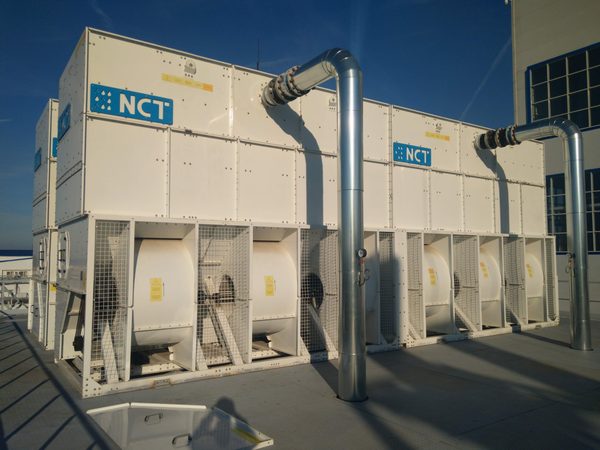
Model trigeneration calculation for a dairy plant with 2 MW of cooling: RUB 109.8 million saved a year, 2.2-year payback with…
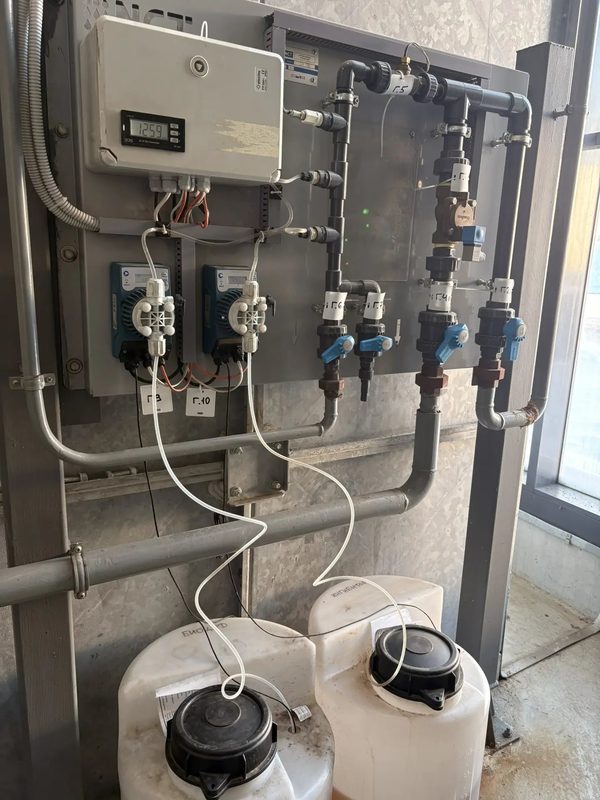
Model trigeneration calculation for a pharmaceutical plant with 2,860 kW of cooling: RUB 123.7 million a year saved, 2.3-year…
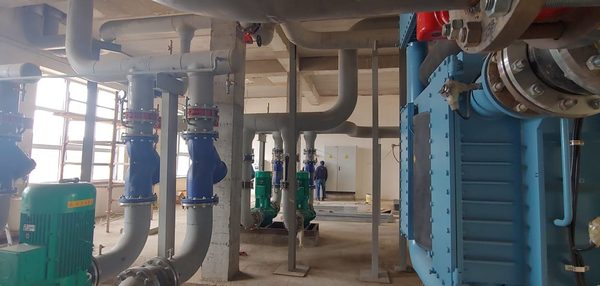
Model trigeneration calculation for a shopping mall with 4.4 MW of cooling: RUB 155.3 million saved per year, 2.9-year payback…
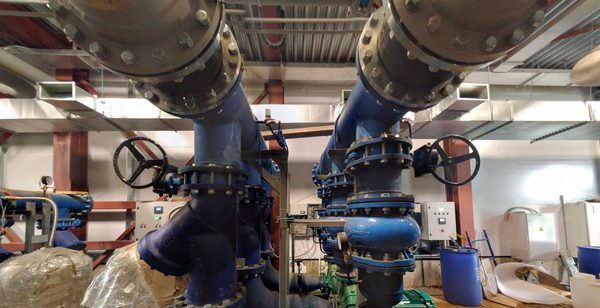
Model trigeneration calculation for a greenhouse complex: RUB 283.4 million saved per year, 2.0-year payback. The real…
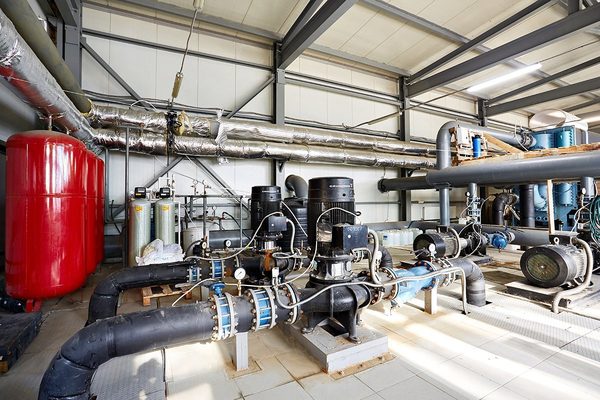
CCHP for a business center with 1 MW of cooling and 1,200 load hours pays back in 6.8 years. Why, and what to do: a chiller, a…
What our customers say
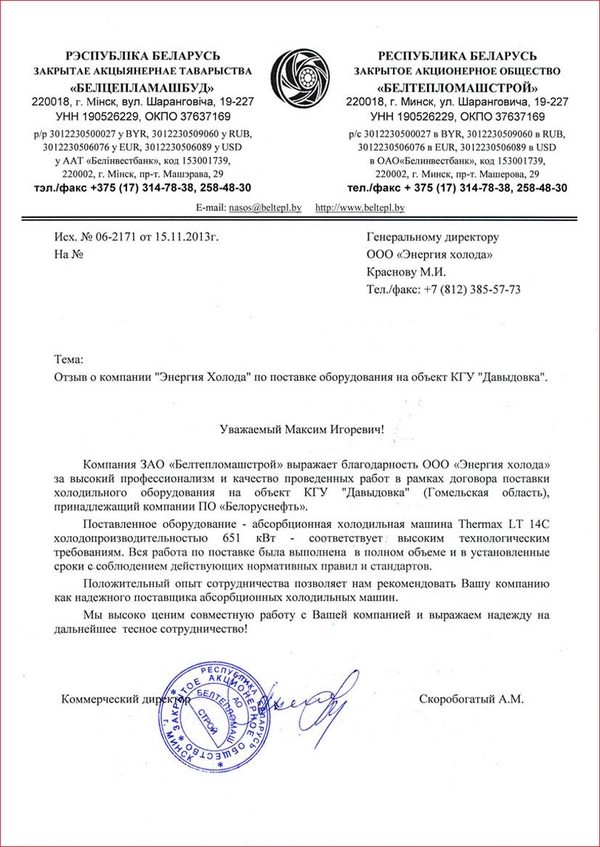
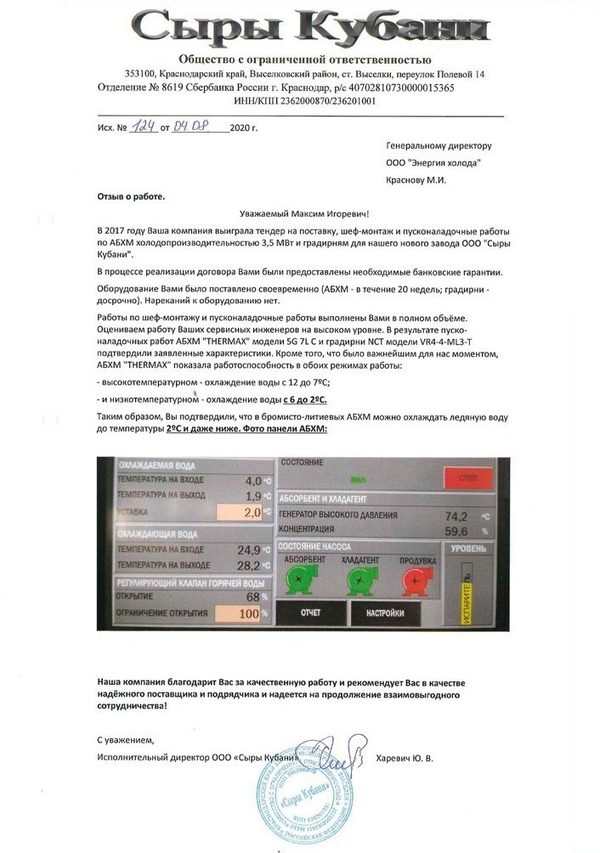
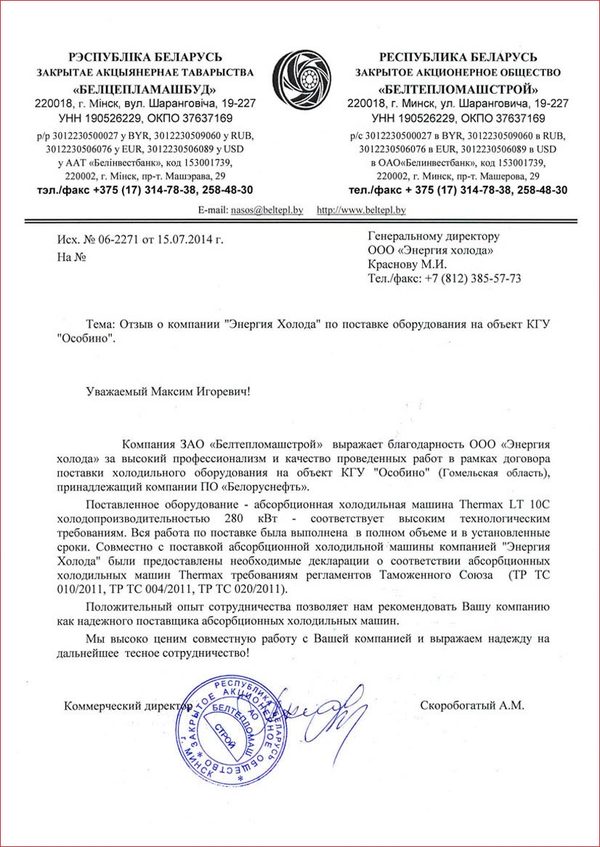
150 letters of thanks · 350+ major projects · 1,000+ customers · in business since 2011. These are real letters from customers; many others are on the references page.

Let us calculate trigeneration for your site
An engineer will put together the scheme and select the equipment, and you get a feasibility study. Free of charge, no obligation.