

Natural History Museum, London, UK
In brief. Two 705 kW Thermax chillers running on hot water from Jenbacher engines provide cooling for the Natural History Museum in London.
The Natural History Museum in London gets its cooling from two 705 kW Thermax absorption chillers. They run on hot water from Jenbacher gas engine generator sets, which also supply the museum with electricity.
What does the project consist of?
| Parameter | Value |
|---|---|
| Industry | Museum |
| Engines | Jenbacher gas engines (number not stated in the source) |
| Fuel | Natural gas |
| Heat for the chiller | Hot water |
| Chiller and cooling | 2 chillers, 705 kW each |
| What the cooling is for | Cooling supply for the museum |
Why is this example useful for a Russian site?
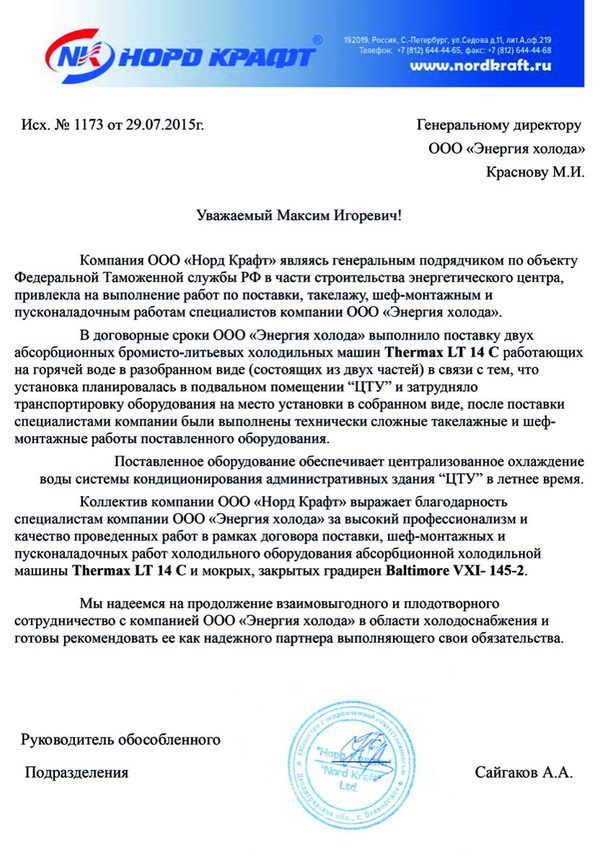
The source gives no figures on the effect, so the example shows the layout: two identical chillers instead of one, so if one stops, half the cooling remains. In a Russian historic building, the main issue is often getting the equipment inside: at the Central Customs Administration in Moscow, the chillers were delivered in sections and assembled in the basement. More: trigeneration for business centers and hotels.
How does this kind of scheme work?
Hot water from the Jenbacher engines drives the chillers.
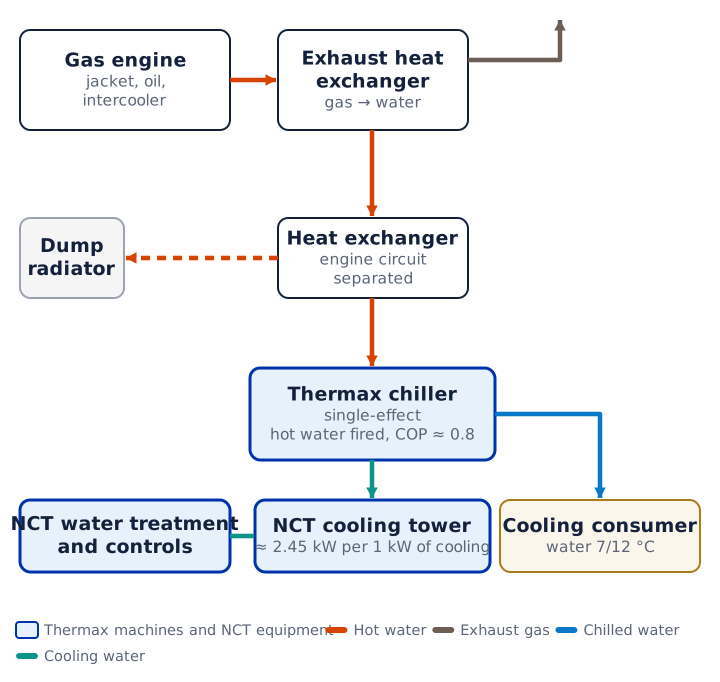
Based on Thermax materials
Other projects worldwide
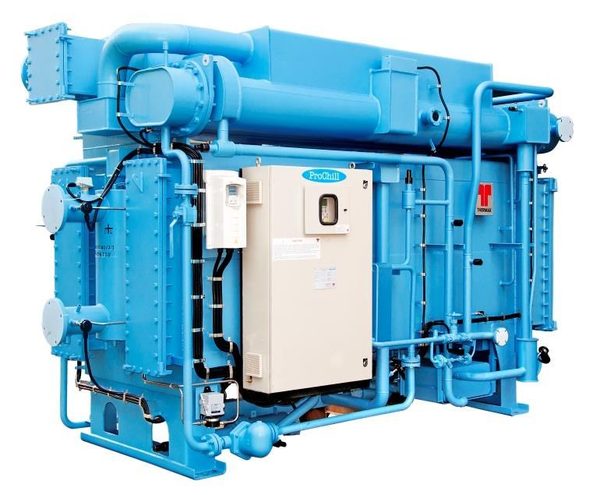
AT&S in Shanghai: one 1.1 MW engine and one Thermax absorption chiller give 1,160 kW of cooling in summer and 80 °C hot water in…
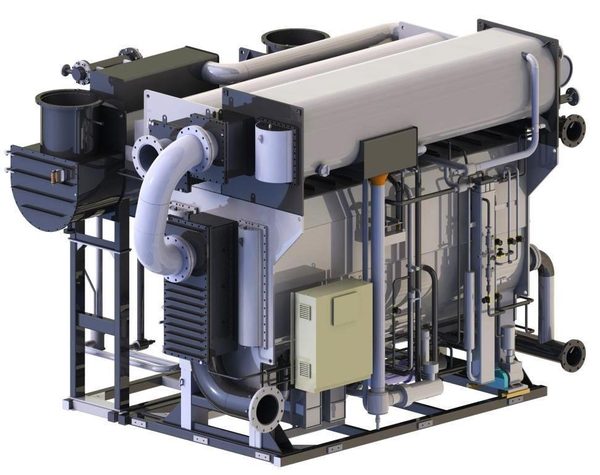
Berlin Airport: two Thermax chillers on engine exhaust give 2,600 kW of air conditioning cooling. A trigeneration case with…
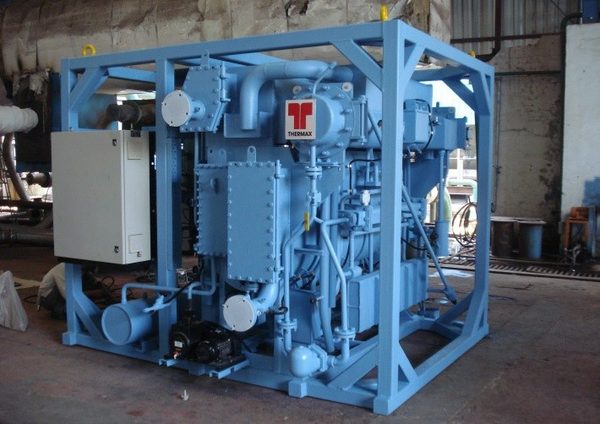
Brevoort East residential building in New York: two Tecogen engines and a 280 kW Thermax machine that kept running through…
What our customers say
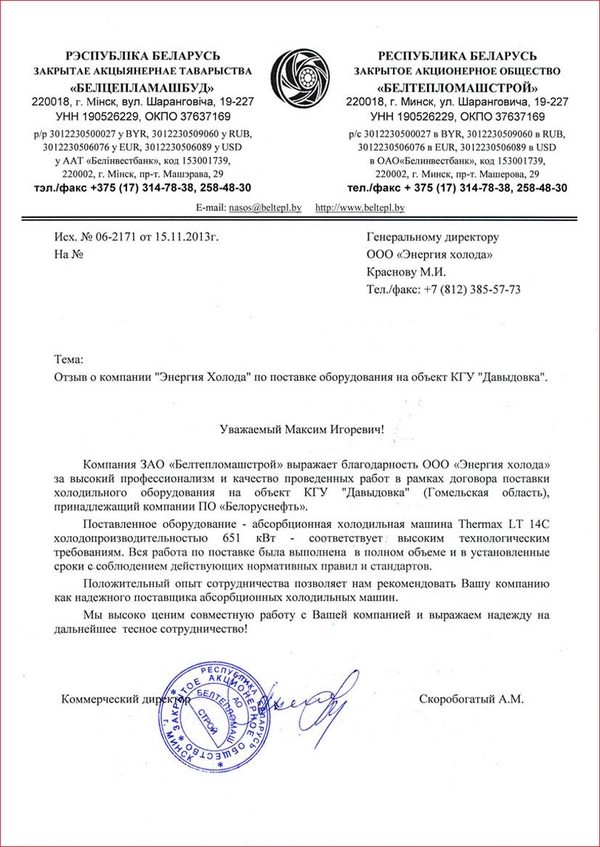
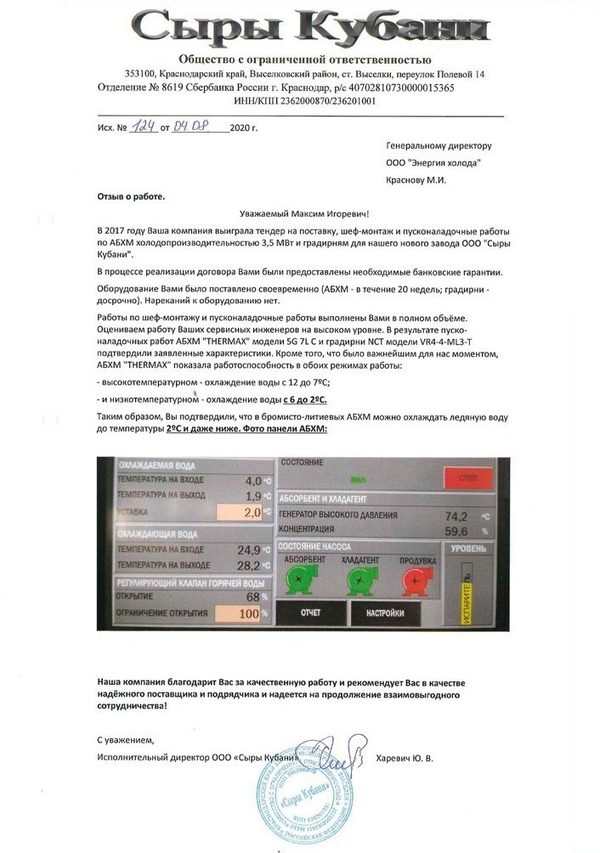
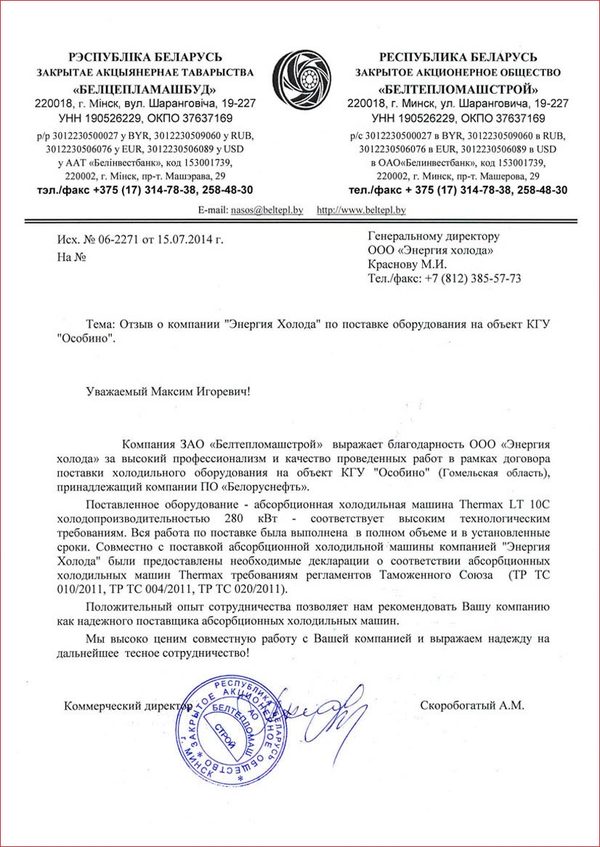
150 letters of thanks · 350+ major projects · 1,000+ customers · in business since 2011. These are real letters from customers; many others are on the references page.
Let us calculate trigeneration for your site
An engineer will put together the scheme and select the equipment, and you get a feasibility study. Free of charge, no obligation.