

Trigeneration installation and commissioning, what is done on site and in what order
In brief. Installation supervision and commissioning. A foundation with a tolerance of 1 mm per 1,000 mm, circuit testing, charging the chiller, start-up in order. The commissioning time depends on the chiller.
Installation and commissioning determine whether a trigeneration (CCHP) plant will work as calculated. A mistake in the piping or in the protection settings shows up later, for example the first time the chiller loses power. Cold Energy (NCT) provides installation supervision and commissioning of the cooling circuit. Piping and electrical installation on site is done by our own and subcontracted crews, and the scope is fixed in the contract.
How does installation go?
The order is as follows:
-
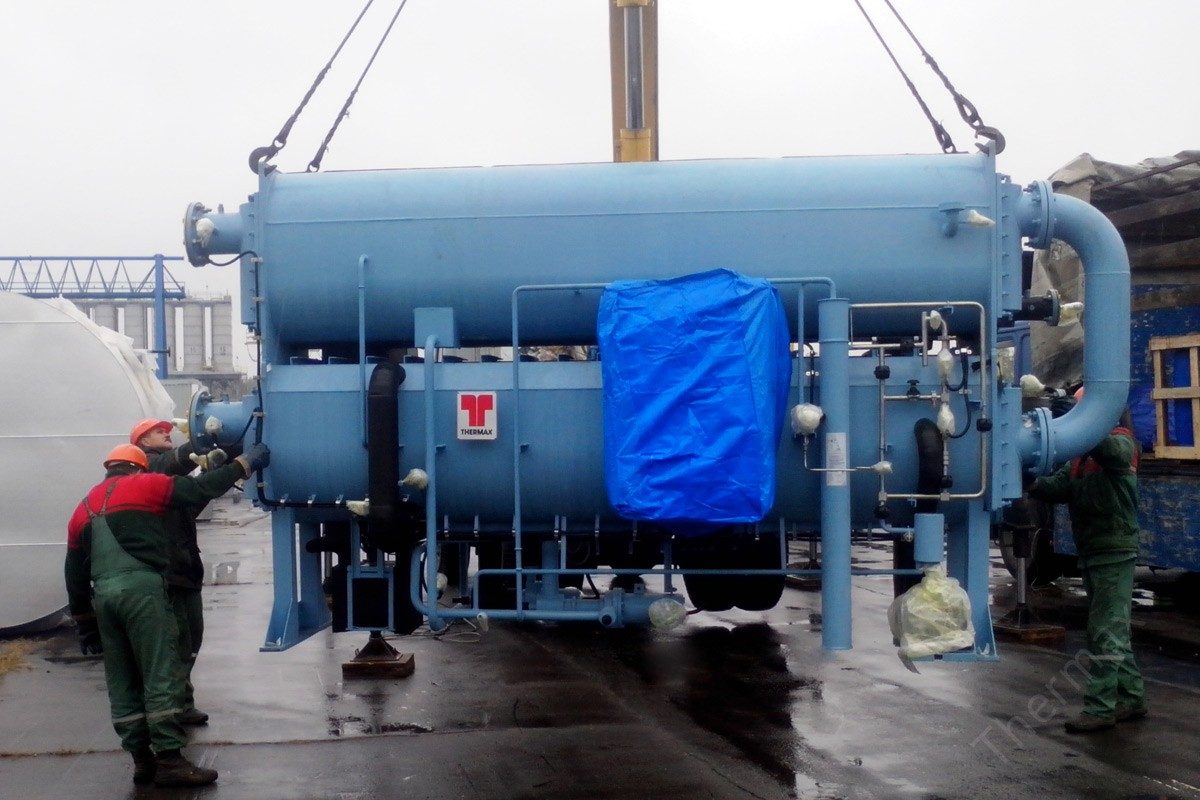
Setting the equipment in its design position on the foundation.
-
Installing the piping and supports.
-
Laying the electrical routes and connecting the panels.
-
Hydraulic and pneumatic testing of the piping, the absorption chiller, the pump modules and the cooling towers.
-
Connecting to the heat sources and utility networks.
The foundation allows a tilt of no more than 1 mm per 1,000 mm lengthwise and crosswise. It is leveled with a water level and shims, and grouting is done before the pipes are connected. The mating flanges for the chiller nozzles must be ASME B16.5 Class 150: GOST and DIN flanges are not compatible with them. The pipes are mounted on their own supports with flexible connectors on the three water circuits, so that no load is transferred to the nozzles.
What is checked during commissioning?
First, the quality of setting on the foundation and the leveling, then tightness and the connections to the networks. Then each element is checked: the control and automation systems, emergency shutdown and start-up, interaction with neighboring equipment, including the engine. The protections are set for the site conditions. The chiller is charged with working fluids: demineralized water, lithium bromide, isooctyl alcohol and a lithium molybdate corrosion inhibitor.
The commissioning time, as an example, depends on the chiller: for one complex, a 2026 proposal allowed 15 working days.
In what order is the chiller started?
The sequence is run by the controls, and it is checked during commissioning:
-
The chilled water pump always comes first, and the flow switch confirms the flow.
-
After 15 seconds, the cooling water pump.
-
The cooling tower is in bypass, with the fan off, until the water at the chiller inlet rises to 20 °C.
-
The heating medium is introduced smoothly: for the first 10 minutes, steam or hot water is supplied gradually while the generator temperature is below 100 °C. This is protection against thermal shock.
-
The chiller reaches its operating mode in about 30 minutes.
Shutdown: the heat source is closed, the chiller goes into the dilution cycle, the cooling water stops after about a minute, and the chilled water pump stops last. The chiller survives a power dip of up to 3 minutes; for longer outages, a dilution cycle and a backup feed or an uninterruptible power supply are needed.
What work have we done on site?
At Teplichnoye, this was design and detailed documentation, supply, installation supervision of the controls and commissioning, followed by two years of free service of the absorption chiller after start-up. For the Central Customs Administration in Moscow, the chillers were delivered in parts and assembled in the basement. The scope of work differs at each site and is fixed in the contract. See examples in the Projects section, which also includes many other sites.
After start-up, service begins: scheduled maintenance and monitoring. What is supplied and how is described on the page supply. NCT equipment: nc-t.ru.
If you want to understand in advance what is needed for start-up, submit a request for a feasibility study or look at the calculator.
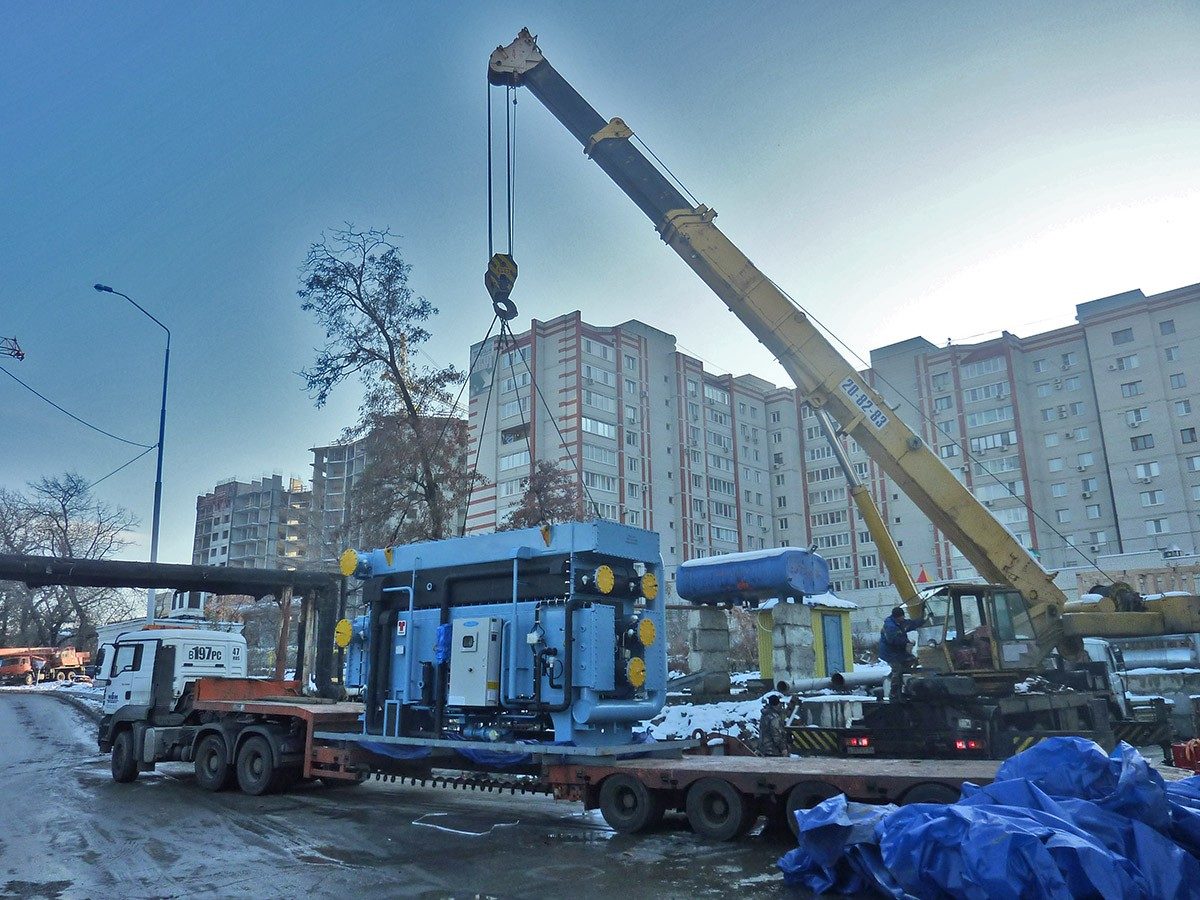
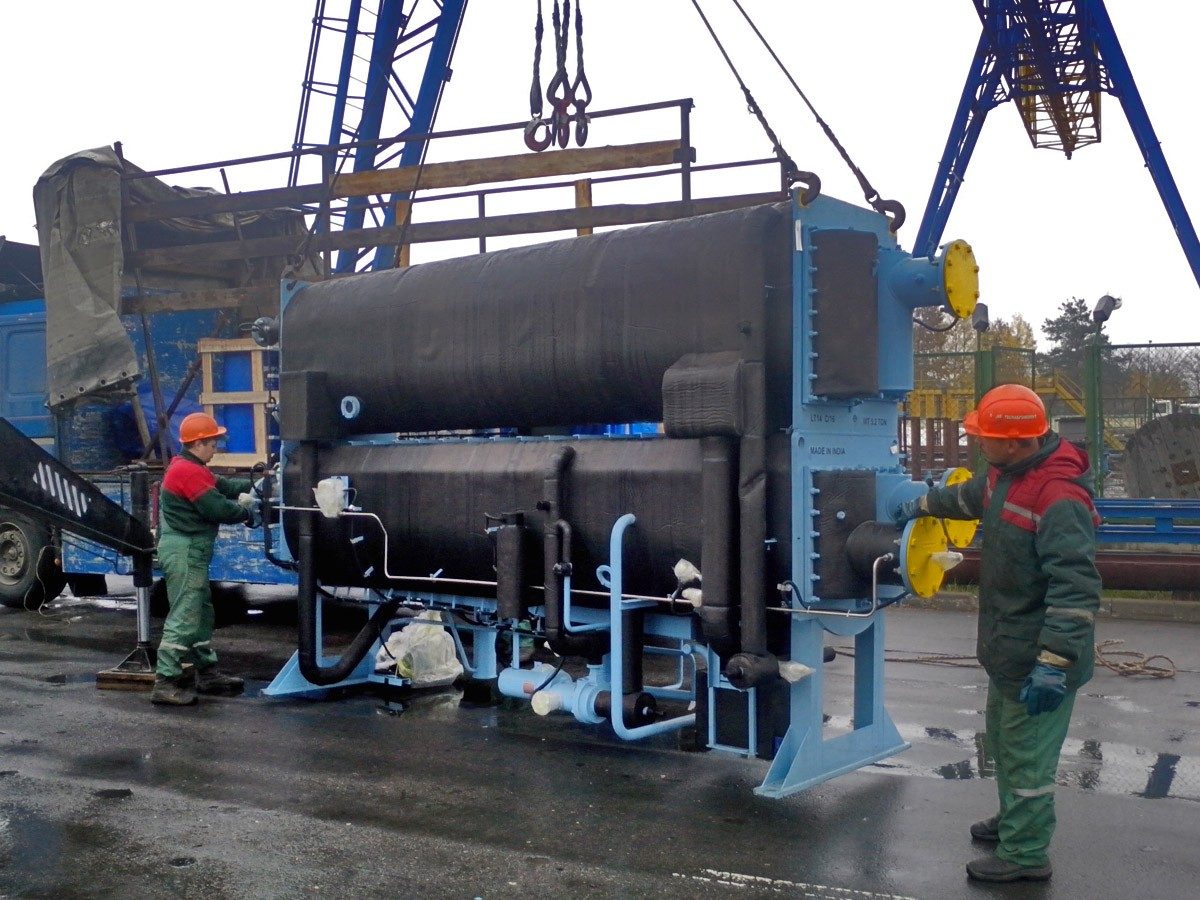
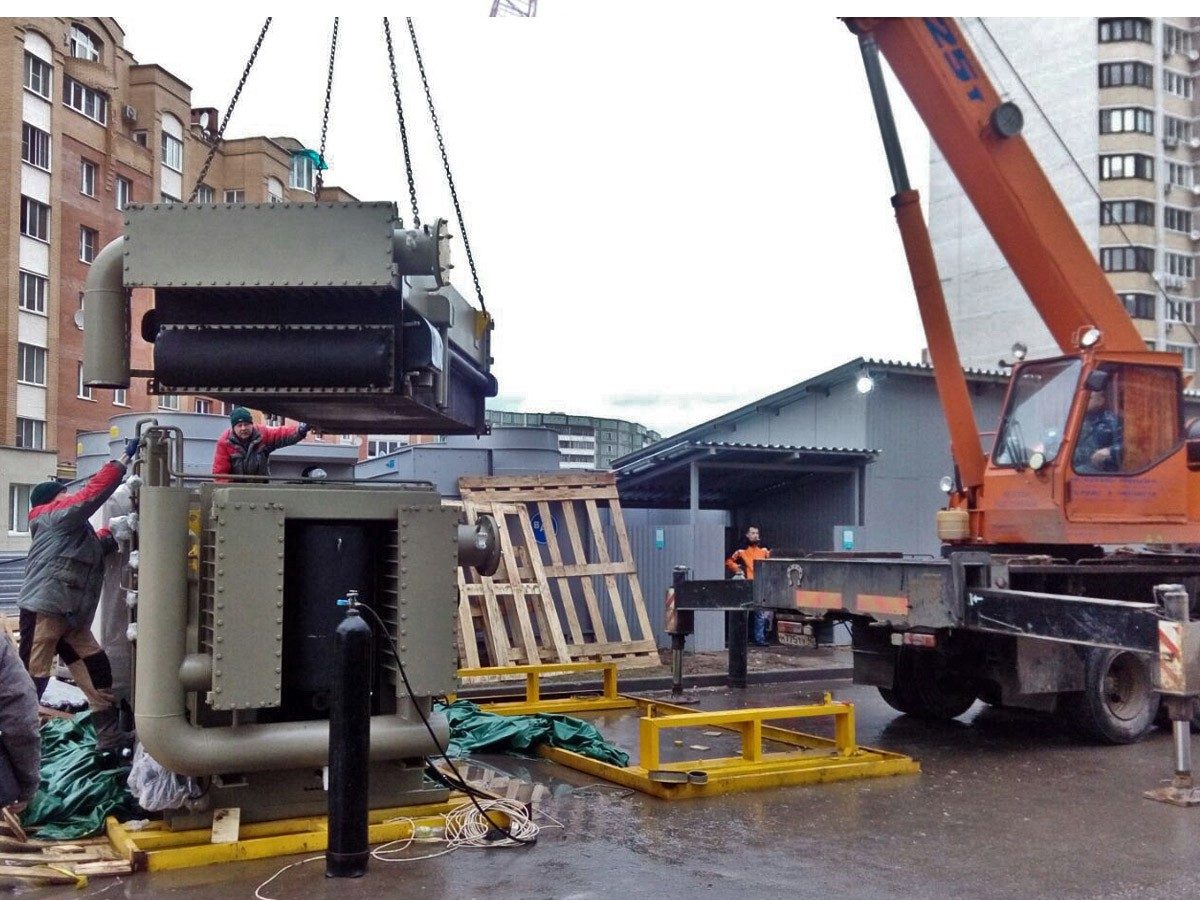
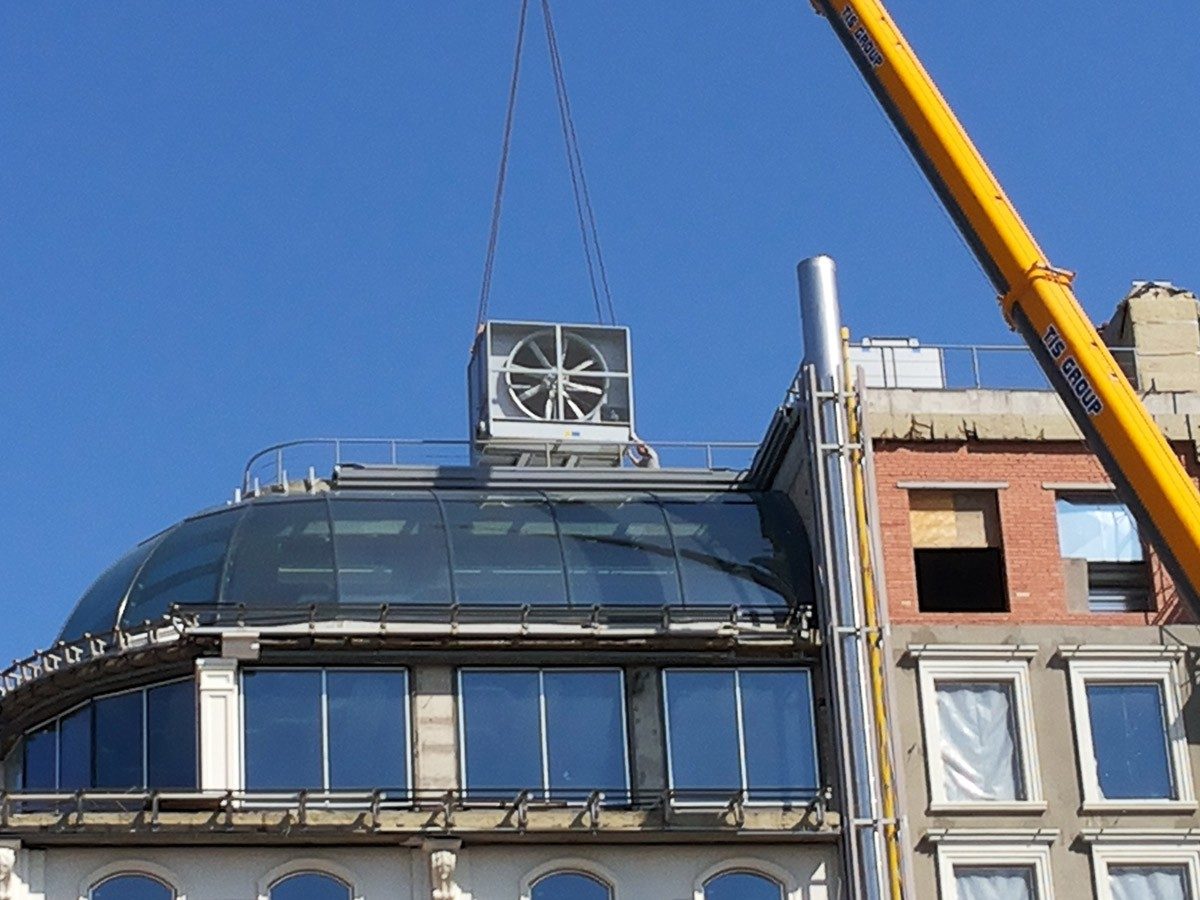
What does it look like on site?
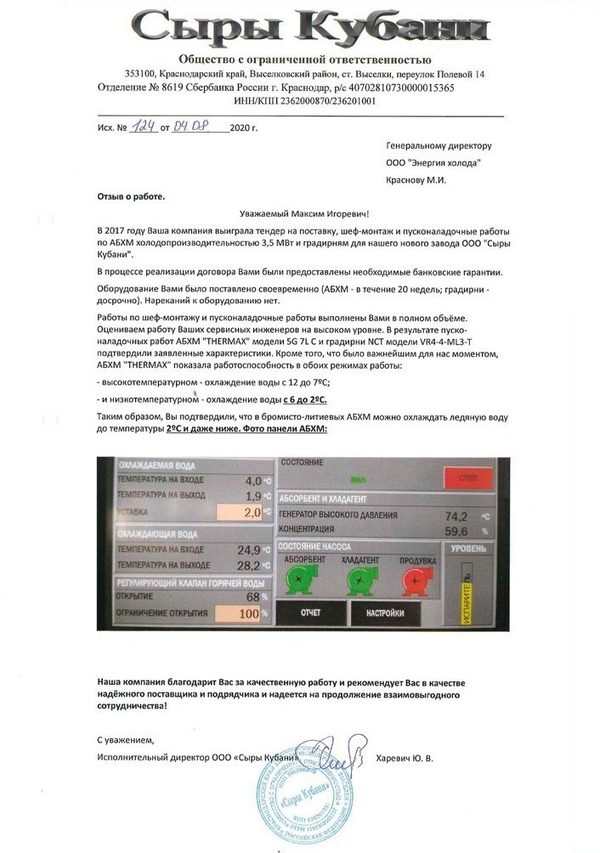
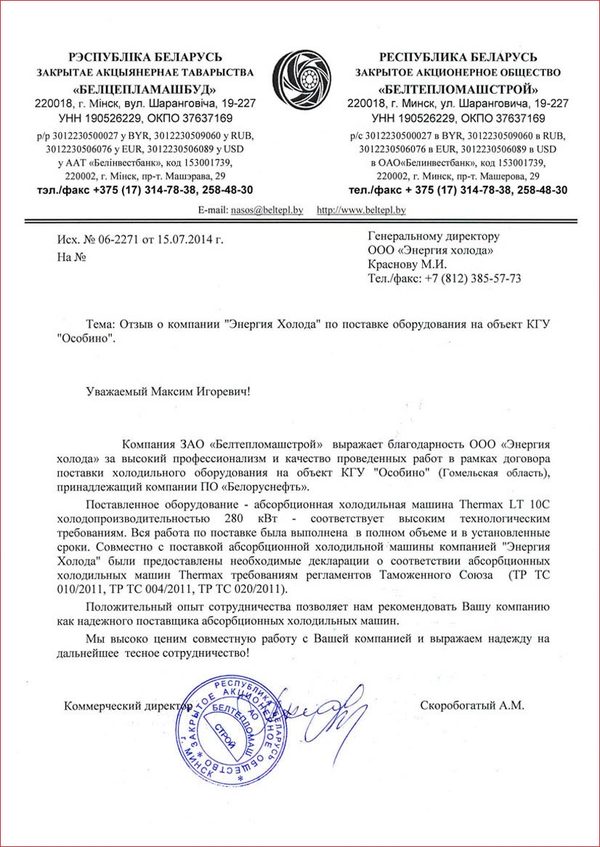
What our customers say
150 letters of thanks · 350+ major projects · 1,000+ customers · in business since 2011. These are real letters from customers; many others are on the references page.


Let us calculate trigeneration for your site
An engineer will put together the scheme and select the equipment, and you get a feasibility study. Free of charge, no obligation.